Advanced Maritime Technology Conference Highlights Future of Maritime Decarbonization and Innovation
Oliver DannerThe maritime industry is undergoing one of the most significant transformations in its history as ports, vessel operators, technology providers, utilities, and policymakers work together to accelerate decarbonization while improving operational efficiency and resiliency.

The recent Advanced Maritime Technology Conference brought together leaders from across the maritime sector to discuss the technologies, policies, and partnerships shaping the future of ports, shipping, commercial vessels, and waterfront infrastructure.
A central theme throughout the conference was the growing momentum behind electrification. Industry experts highlighted how advances in battery technology, charging infrastructure, microgrids, energy storage, and alternative fuels are creating new opportunities to reduce emissions while improving vessel performance and lowering operating costs.
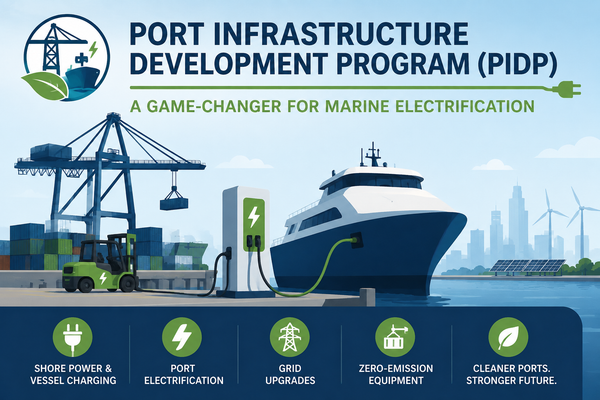
Port operators shared updates on major electrification projects, including shore power installations, cargo handling equipment upgrades, and strategies to support zero-emission vessel operations. Utilities discussed the challenges and opportunities associated with increasing energy demand while maintaining grid reliability and resilience.
Conference sessions also emphasized the importance of workforce development. As maritime technologies evolve, the industry will require a new generation of technicians, engineers, electricians, vessel operators, and infrastructure specialists capable of supporting increasingly sophisticated marine energy systems.
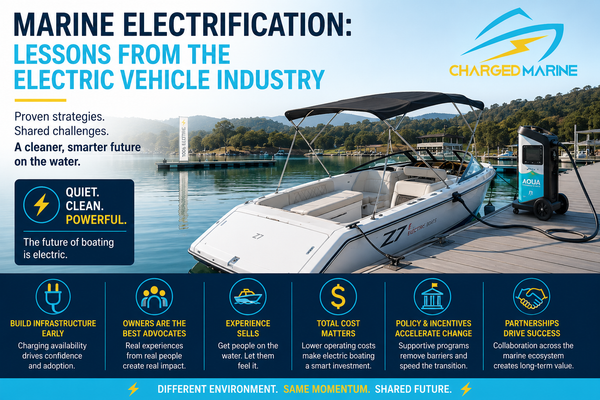
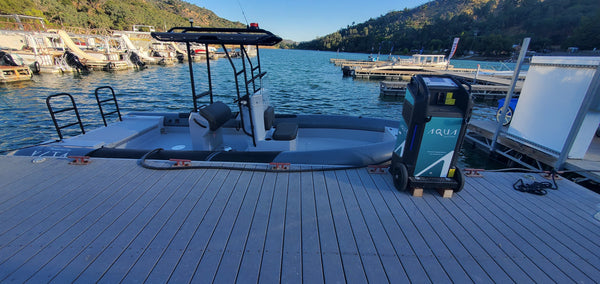
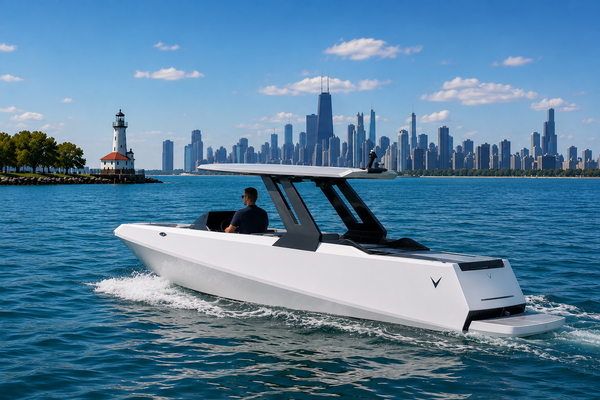
Commercial vessel electrification emerged as a major area of focus. Discussions covered harbor craft, ferries, workboats, pilot vessels, research vessels, and recreational boating applications. Industry leaders noted that many electric vessel technologies are no longer experimental—they are commercially available today and being deployed in real-world operations around the globe.
The conference also highlighted the growing role of digital technologies in maritime operations. Artificial intelligence, predictive maintenance, vessel monitoring systems, energy management platforms, and autonomous technologies are helping operators optimize performance while reducing operational costs.
One of the strongest messages from the event was that collaboration is essential. Successful maritime decarbonization requires coordination among vessel manufacturers, ports, marinas, utilities, regulators, workforce development organizations, investors, and technology providers.
The maritime sector is entering a period of rapid innovation. While challenges remain—including infrastructure investment, permitting, workforce training, and grid capacity—the momentum demonstrated at the Advanced Maritime Technology Conference made one thing clear: the future of maritime transportation will be cleaner, smarter, and increasingly electrified.
As the industry continues to evolve, conferences like this serve as critical forums for sharing knowledge, building partnerships, and advancing the technologies that will define the next generation of maritime operations.