Candela’s flying electric boats set to soar around the Maldives reducing pollution
Charged Marine StaffCandela’s flying electric boats set to soar around the Maldives are revolutionizing island transport by significantly reducing marine pollution. In a fragile ecosystem like the Maldives, where tourism and transportation heavily rely on motorized boats, pollution and damage to reefs have become major concerns. These innovative electric hydrofoil boats offer a cleaner, quieter alternative that helps preserve marine life while maintaining high-speed and efficient transportation. This article explores how Candela’s electric hydrofoil technology benefits island environments like the Maldives by minimizing harmful emissions, wake turbulence, and underwater noise pollution.
Candela’s flying electric boats set to soar around the Maldives: A sustainable solution
Introduction to Candela’s electric hydrofoil boats
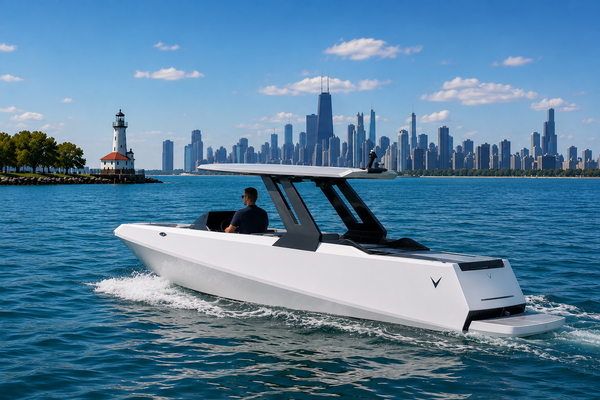
Candela has emerged as a pioneer in sustainable water transport with its cutting-edge electric hydrofoil boats. Designed to "fly" above the water’s surface on underwater wings called hydrofoils, these boats drastically reduce drag. This results in up to 80% lower energy consumption compared to conventional boats powered by fossil fuels. The significance of Candela’s flying electric boats set to soar around the Maldives lies in their proven ability to combine speed, efficiency, and sustainability, making them ideal for island transport where ecological sensitivity is paramount.
Why the Maldives is an ideal location for electric hydrofoil boats
The Maldives is a collection of over 1,000 low-lying coral islands, renowned for their biodiversity and pristine marine environment. However, the heavy reliance on conventional petrol-powered speedboats for island transfers generates carbon emissions, underwater noise, and wake turbulence that harm coral reefs and marine species. Candela’s fleet of electric hydrofoil boats offers the Maldives an effective way to reduce these environmental threats. The boats produce zero emissions, are near silent, and create minimal wake, ensuring that fragile reefs and aquatic habitats remain protected.
How electric hydrofoil boats reduce marine pollution
Eliminating harmful emissions
Traditional boats with combustion engines release large amounts of CO2 and other pollutants directly into the air and water. In contrast, electric hydrofoil boats run on rechargeable lithium-ion batteries, producing zero direct emissions. By using electric propulsion technology, Candela’s boats contribute significantly to cleaner air and water in island regions like the Maldives, helping to combat climate change and local pollution simultaneously.
Minimizing wake and noise pollution
One of the most damaging effects of speedboats is the wake they generate, which can erode shorelines, damage coral reefs, and disturb marine life. Hydrofoil boats “fly” above the water, lifting their hull on underwater foils that reduce contact with the water surface. This design means the boats produce almost no wake, preserving coastal ecosystems. Additionally, their electric motors operate quietly, reducing underwater noise pollution that interferes with marine animal communication and breeding.
Benefits for marine ecosystems and island communities
Preserving coral reefs and biodiversity
The Maldives’ coral reefs are sensitive to physical damage and chemical pollution. The no-wake and zero-emission design of electric hydrofoil boats causes less mechanical disturbance and prevents leaking of harmful substances like oil or fuel. This preservation helps coral reefs thrive, which support fish populations and protect shorelines from erosion.
Supporting sustainable tourism and local livelihoods
The tourism industry in the Maldives is a backbone of the economy but depends heavily on sea transfers by boat. Electric hydrofoil boats improve tourist experiences by offering smooth, stable rides without the noise, fumes, or seasickness typical of traditional boats. At the same time, reducing environmental impact ensures that the natural beauty tourists come to see remains intact, securing livelihoods for local communities long term.
-
Zero emission operation improves local and global air quality
-
Reduced noise pollution protects marine wildlife and reduces stress on fish populations
-
Minimal wake prevents reef erosion and shoreline damage
-
Smoother rides reduce seasickness and increase passenger comfort
-
Lower operational costs for boat operators through energy efficiency and reduced maintenance
-
Job creation in maintenance, boat operation, and eco-tourism sectors
Technology behind Candela’s electric hydrofoil boats
Hydrofoil design fundamentals
Candela’s boats utilize hydrofoils which act as underwater wings, lifting the boat’s hull above water at speed to decrease resistance. Unlike traditional hulls that push against the water, hydrofoils minimize friction and energy loss. This enables long range, higher speeds, and smoother rides with far less noise and wake.
Advanced electric propulsion and smart controls
Equipped with marine-grade electric motors and lithium-ion batteries, these boats offer a clean energy solution that balances power and endurance. A digital flight control system continuously adjusts the foils’ angle, stabilizing the boat in varying water conditions. This intelligent control improves safety and passenger comfort, ensuring reliable operations even over choppy waters.
Challenges and future prospects for electric hydrofoil boats in island destinations
Limitations and considerations
While the technology is promising, electric hydrofoil boats currently face limitations such as battery charging infrastructure, range restrictions (typically around 40 nautical miles per charge), and initial investment costs. However, these constraints are gradually being addressed through faster charging solutions, solar energy integration, and service models that reduce upfront expenses.
Scaling electric hydrofoil fleets in the Maldives and beyond
The launch of Candela’s flying electric boats set to soar around the Maldives represents an important step toward widespread adoption. Plans to expand fleets and infrastructure will enable more frequent and longer trips. Governments and private operators are increasingly recognizing the advantages of electric hydrofoil boats, with potential to expand their use in other island chains and coastal regions facing similar pollution challenges.
Conclusion: Charting a cleaner future with Candela’s flying electric boats
Candela’s flying electric boats set to soar around the Maldives offer a transformative approach to marine transport by reducing pollution, protecting sensitive ecosystems, and enhancing passenger experience. Their innovative electric hydrofoil boats provide a sustainable alternative that preserves the beauty and biodiversity of island environments while supporting local economies. As this technology gains momentum, the Maldives will lead by example, showcasing how cleaner, quieter, and more efficient water transport can safeguard marine environments worldwide. To explore more about Candela’s innovations and their impact on sustainable transport, consider diving deeper into electric hydrofoil technology and its applications.