Charge Barge: Off-Grid Electric Boat Charging Solution
Charged Marine StaffElectric boat charging is transforming maritime travel, and Sea Watts is spearheading this evolution with its innovative Charge Barge technology. Designed as a floating, self-contained electric boat charging station, the Charge Barge offers a groundbreaking solution for ports and harbors looking to support the increasing demand for sustainable vessel power. This complete guide explores how Sea Watts' Charge Barge works, its benefits, and what it means for the future of electric boat charging infrastructure. Dive in to understand why this unique approach is set to reshape waterfront electrification.
Understanding the Charge Barge Concept
What is a Charge Barge?
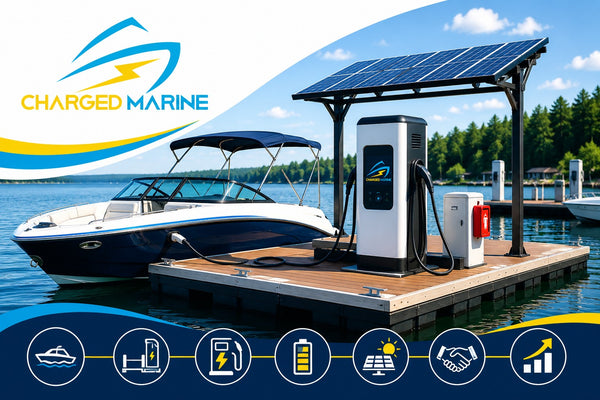
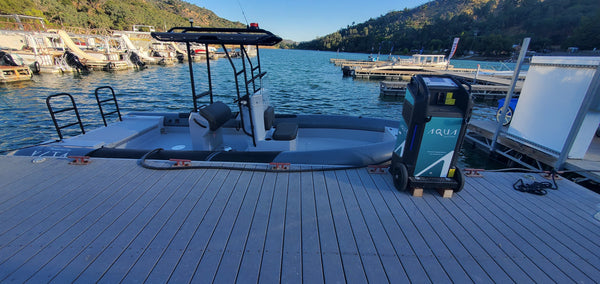
A Charge Barge is a floating platform equipped with an onboard energy storage system and advanced charging technology designed specifically to recharge electric boats and vessels. Unlike traditional shore-based charging stations, the Charge Barge leverages clean energy storage to provide rapid, reliable charging without the costly infrastructure upgrades that docks or ports usually require. Sea Watts’ Charge Barge serves as both a mooring point and a power supply station, offering a dual-function hub for maritime traffic.
Why Floating Charging Matters
Providing electric boat charging on floating platforms solves several logistical and technical challenges faced by harbors worldwide. The Charge Barge alleviates grid strain by charging its batteries steadily over time and then transferring that power in short, powerful bursts to docked vessels. This approach not only reduces peak load demands on the local electrical grid but also expands docking capacity by creating an independent charging hub on the water.
Key Features of Sea Watts’ Charge Barge
Energy Storage and Power Delivery Systems
At the core of the Charge Barge is a high-capacity battery bank that stores clean energy and manages power flow efficiently. Sea Watts integrates state-of-the-art lithium-ion or lithium iron phosphate batteries, ensuring high energy density and fast charging capabilities.
Charging Technology and Safety Measures
The Charge Barge utilizes maritime-grade fast-charging connectors compatible with a range of electric boats. Integrated safety systems such as fire suppression, real-time monitoring, and automated plug-in protocols ensure secure and smooth operation. Additionally, the modular design allows customization depending on location and vessel types.
Benefits of the Charge Barge for Electric Boat Charging
Environmental Impact and Sustainability
Electric boat charging via the Charge Barge promotes zero-emission travel by providing a clean energy solution that helps replace diesel fuel and reduces local air pollution. The Charge Barge supports the maritime industry's shift towards sustainability, enabling greener harbor operations.
Infrastructure Efficiency and Cost Savings
-
Eliminates the need for costly shore-side grid upgrades by managing high power demand with onboard battery storage.
-
Expands dock capacity without interfering with existing harbor activities by acting as an independent floating terminal.
-
Supports multiple vessel types simultaneously, accelerating the adoption of electric boats.
Operational Use Cases and Deployment Strategies
Application in Passenger Ferries and Commercial Vessels
The Charge Barge is particularly suited for high-frequency electric ferry routes where quick turnaround times demand rapid charging solutions. Commercial vessels and harbor tugs also benefit from flexible, mobile charging access without disrupting harbor logistics.
Integration with Recreational Boating Facilities
Besides commercial use, the Charge Barge supports electric boat owners by providing public charging access at popular marinas and waterfronts. This improves convenience for electric pleasure craft operators and encourages wider adoption of electric propulsion in leisure boating.
Challenges Addressed by the Charge Barge in Electric Boat Charging
Grid Capacity and Energy Management
Electric boats require significant energy during charging, which can exceed the capacity of existing port electrical infrastructure. The Charge Barge manages this by gradually charging its onboard battery bank and distributing stored energy in concentrated bursts, avoiding grid overloads and peak demand charges.
Dock Space and Harbor Congestion
Ports often experience limited dock space, creating conflicts between commercial and recreational vessels. The Charge Barge introduces additional mooring points with integrated charging, effectively expanding functional dock space without compromising other harbor operations.
The Future of Maritime Electrification with Sea Watts’ Charge Barge
Scalability and Replicability of the Charge Barge
Sea Watts is designing the Charge Barge to be modular and replicable, enabling deployment at multiple harbors and scales. From small craft harbors to busy ferry terminals, the Charge Barge platform can be customized to meet varying power, space, and operational needs.
Partnerships and Policy Support
Collaboration between marine operators, local governments, and energy utilities is essential to maximize the Charge Barge’s impact. Incentives and infrastructure funding can accelerate the growth of electric boat charging networks, positioning Sea Watts’ solution as a cornerstone of green maritime policy initiatives.
In summary, the Charge Barge by Sea Watts represents a pivotal advancement in electric boat charging solutions. Its innovative, floating design addresses critical challenges such as grid limitations and dock space shortages while supporting a sustainable transition in maritime transport. As electric boat adoption continues to rise globally, exploring and investing in Charge Barge technology offers a clear path toward efficient, scalable, and environmentally friendly electric boat charging. To learn more about how Sea Watts is powering the future of electric maritime travel, explore their latest Charge Barge developments and partnerships.