Electric Boat Charging: A Complete Guide to Charging Electric Boats
Charged Marine StaffElectric boat charging is a critical aspect for any electric boat owner aiming to maximize battery life and enjoy uninterrupted adventures on the water. Whether you're docking overnight or using a fast charging station at a marina, understanding how to efficiently power your boat is essential. This comprehensive guide will walk you through everything from charging basics to advanced boat charging stations, safety practices, and maintenance tips, ensuring your electric boat is always ready to sail.
Understanding Electric Boat Charging Basics
How Electric Boat Charging Works
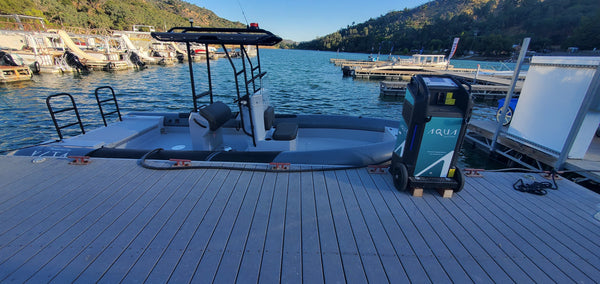
Electric boats rely on rechargeable batteries to power their motors. Charging involves replenishing these batteries by connecting the boat to an external power source, known as an electric boat charging station or boat charging station. The process converts electrical energy from the grid into stored battery power, enabling your boat to run smoothly on the water.
Charging speed depends on the battery size, charger type, and power output. Commonly, electric boats utilize alternating current (AC) for slower, overnight charging or direct current (DC) for faster replenishment. Many modern boats support both methods to optimize convenience and efficiency.
AC Charging vs. DC Charging
AC charging uses standard shore power at marinas or home docks and is suitable for overnight or extended charging sessions. It typically operates at voltages of 110V to 240V, delivering moderate power ideal for small to mid-sized boats.
DC charging, often available at specialized electric boat charging stations, supplies high-powered direct current, enabling rapid charging. This is particularly beneficial for commercial boats or longer trips where charging downtime must be minimized.
Types of Electric Boat Charging Stations
Home-Based Boat Charging Stations
Many electric boat owners install a dedicated electric boat charging station at their private docks. These home stations connect to the property's electrical system, offering convenient overnight charging. They typically provide AC power, are cost-effective to operate, and ensure your boat is fully charged when you need it.
Installation requires a qualified electrician to ensure safety and compliance with local marine electrical codes. Home stations are often equipped with weatherproof connectors to withstand harsh marine environments.
Public and Marina Charging Stations
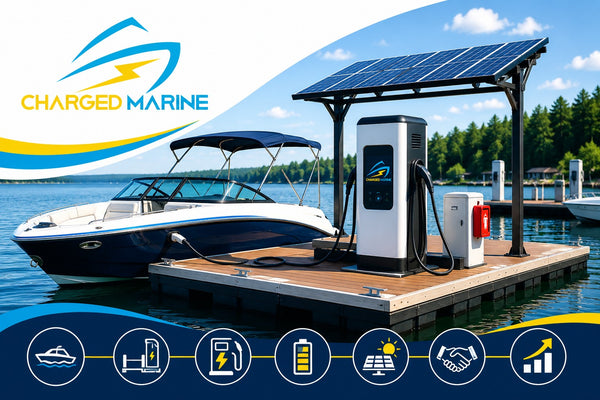
For boaters without private docks or when traveling, public charging stations at marinas and harbors are invaluable. These boat charging stations are increasingly common and designed to accommodate a range of electric boat sizes and battery capacities.
Many public stations offer both AC and DC charging options. They may also integrate payment systems and smart features such as real-time availability tracking via apps. When planning trips, boaters should check station compatibility and power output to avoid charging delays.
Step-by-Step Guide to Charging Your Electric Boat
Preparation Before Charging
- Securely dock your boat to prevent movement during charging.
- Inspect the charging cable and connectors for any damage or corrosion.
- Verify compatibility between your boat’s charging port and the station's connector.
- Ensure your hands and all equipment are dry to maintain safety.
The Charging Process
After preparation, connect the charging cable firmly to your boat’s charging port. Most systems will begin charging automatically, often communicating with your boat’s battery management system to optimize current and voltage.
Charging duration varies—a typical AC charge might take 6 to 12 hours depending on battery capacity, while DC fast chargers can replenish 80% of battery capacity in under an hour. During charging, monitor any status indicators on your boat or charging station for progress and possible faults.
Safety and Maintenance in Electric Boat Charging
Essential Safety Practices
- Always use charging equipment rated for marine use and weatherproofed for wet conditions.
- Avoid charging in wet or stormy weather unless using specialized waterproofed equipment.
- Use ground-fault circuit interrupters (GFCIs) on your shore power system to prevent electrical shocks.
- Never use damaged cables or connectors; replace immediately if wear is detected.
- Follow manufacturer guidelines to prevent overcharging and battery damage.
Regular Maintenance for Longevity
Maintaining your charging equipment and battery is crucial for efficient electric boat charging and battery lifespan. Regularly:
- Inspect and clean charging connectors and terminals to prevent corrosion.
- Check cables and plugs for cracks or fraying from exposure to the marine environment.
- Schedule professional inspections of electrical systems annually or as recommended.
- Ensure battery management systems (BMS) are functioning correctly to protect cells during charging.
Innovations Enhancing Electric Boat Charging
Smart Charging and Energy Management
New electric boat charging stations increasingly incorporate smart technology, allowing real-time monitoring, automated load management, and remote control of charging sessions. These systems optimize energy distribution based on boat battery status, power grid demand, and even integrate renewable energy inputs.
Integration of Renewable Energy
Hybrid electric boat charging stations with solar arrays or wind power reduce reliance on fossil fuels and lower environmental impact. Some marinas now offer solar-assisted boat charging stations, enabling greener boating experiences while maintaining convenience and efficiency.
Choosing the Right Charging Solution for Your Electric Boat
Assess Your Usage and Battery Size
Smaller boats used locally may only require a simple home AC charging station. Larger or commercial vessels with bigger batteries benefit from access to DC fast charging stations for quick turnaround.
Consider Infrastructure and Location
Evaluate the availability of public boat charging stations near your common boating areas. Investing in versatile chargers compatible with multiple power types (AC/DC) and plug types can prepare you for varied charging scenarios.
Conclusion
Electric boat charging is a cornerstone for effective and enjoyable electric boating. By understanding the methods, selecting proper boat charging stations, following safety protocols, and maintaining your equipment regularly, you can ensure your electric boat performs at its best. Whether charging overnight at home or using fast public chargers, the right approach maximizes battery life and boating time. Explore our resources and product options to upgrade your electric boat charging system and keep your adventures powered up efficiently.