Electric Boats Are Making Waves in Commercial Marine
Charged Marine Staff
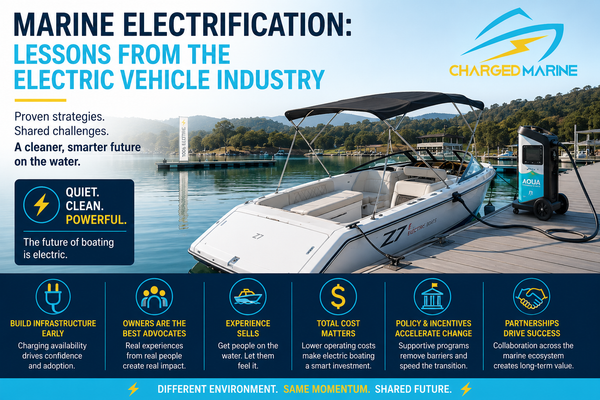
A New Era for Commercial Marine Power
Across the globe, commercial and working vessels are shifting course — away from diesel and toward electric propulsion. From oyster farms in Maine to harbor fleets in Washington State, electric boats are proving they can deliver real-world performance, reliability, and cost savings for marine operators.
At Charged Marine, we’re tracking these advances closely — because electric propulsion isn’t the future of boating anymore. It’s happening right now.
Why Marine Electrification Matters
Traditional marine engines burn significant amounts of diesel fuel, contributing to greenhouse gas emissions, higher maintenance costs, and noise pollution in working harbors. Electric propulsion changes the equation:
-
Zero emissions at the point of use
-
Lower total cost of ownership due to minimal maintenance
-
Quiet, vibration-free operation for crew comfort and marine-life safety
-
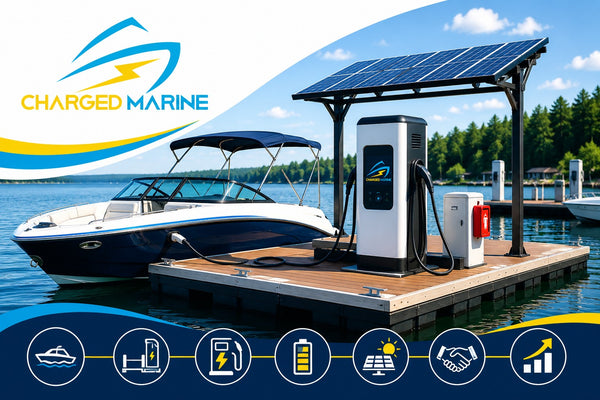
Energy independence when paired with renewable or on-site charging systems
As regulations tighten and fuel prices fluctuate, electrification gives commercial operators a practical path to sustainability and predictable operating costs.
Case Study: Maine’s Electric Workboat “Heron”
In South Freeport, Maine, Maine Ocean Farms has taken delivery of a groundbreaking aluminum workboat — the 28-foot Heron — powered by twin Evoy electric outboards and built by Fogg’s Boatworks.
Designed to Coast Guard–approved standards for aquaculture operations, Heron exceeded expectations on the water:
-
Top speed: ~32 knots (vs. 20 knots projected)
-
Cruising speed: 22–24 knots with 4,000 lbs of load
-
Zero emissions and whisper-quiet operation
This vessel isn’t a prototype — it’s a working platform proving that clean power can perform in demanding marine environments.
Electric Marine Momentum Builds Nationwide
Electrification isn’t limited to small workboats. Across the U.S., major investments are fueling rapid growth:
-
Massachusetts: Lobster fisheries are testing hybrid and all-electric propulsion to cut emissions and fuel costs.
-
California: The nation’s first all-electric tugboat now operates in San Diego, featuring electric cranes and forklifts.
-
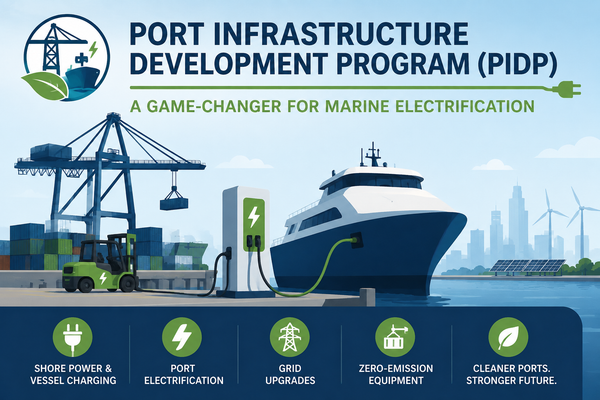
Washington State: Eleven ports received over $7 million in state grants to deploy electric boats, solar charging, and battery banks — targeting a 140,000 metric ton reduction in CO₂ emissions over the next decade.
These projects signal a clear shift: the marine industry is electrifying faster than ever.
The Business Case for Going Electric
For fleet operators, boat builders, and harbor authorities, the case for electric propulsion is stronger than ever:
Predictable Routes = Ideal Use Case
Perfect for aquaculture, harbor service, and tourism vessels with short, repetitive runs.
Fuel Savings & Lower Maintenance
Electric drivetrains have fewer moving parts, no oil changes, and minimal downtime.
Noise & Emission Reduction
Essential for operations near populated or environmentally sensitive waterways.
Access to Incentives
Federal and state programs increasingly support zero-emission marine conversions and charging infrastructure.
The Role of Charged Marine
Charged Marine connects builders, operators, and innovators driving the next generation of electric and hybrid marine technology.
We showcase:
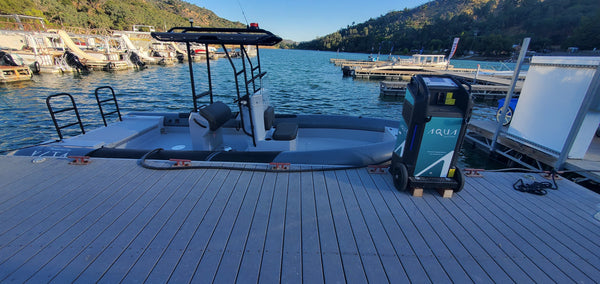
Battery systems and charging infrastructure for marine environments
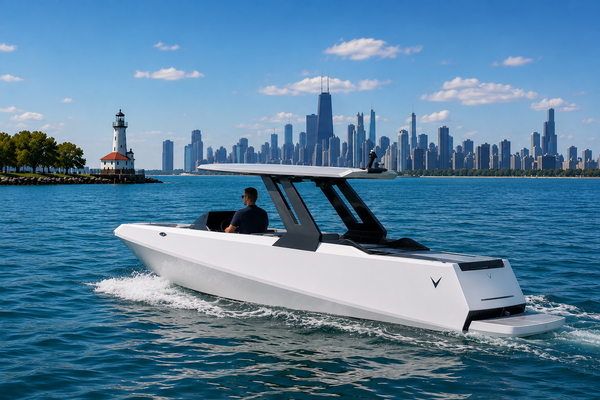
Electric and hybrid vessels designed for commercial and recreational use
Suppliers and service providers building the clean propulsion ecosystem
Our mission is simple — to accelerate the transition to clean, electrified boating through information, collaboration, and innovation.
The Wake Ahead
The wave of electric propulsion is building fast. As technology advances, battery ranges improve, and charging networks expand, more operators will see that electric boats don’t just match diesel performance — they can surpass it.
Charged Marine is proud to spotlight these breakthroughs, connect the industry, and chart a course toward a cleaner, quieter, and more efficient marine future.