How the US military is using electric boats for silent maritime missions
Charged Marine StaffHow the US military is using electric boats is reshaping the landscape of maritime operations by leveraging silent electric motors to enhance stealth and operational effectiveness. In an era where quiet approach and minimized detection are paramount, these electric boats offer significant advantages over traditional combustion engine vessels. This article explores the innovative roles electric boats play in military and security maritime missions, focusing on how their silent propulsion systems contribute to covert operations and increased mission success.
How the US military is using electric boats in modern maritime missions
Silent propulsion for stealth operations
The US military extensively utilizes electric boats in roles where silence is critical. Traditional engines produce noise and vibration that can easily reveal a vessel’s position to enemy sonar, radar, or visual detection methods. Electric boats, however, operate with nearly silent electric motors, drastically reducing acoustic signatures during crucial maritime missions. This silence enables forces to approach hostile or sensitive areas covertly, gather intelligence, or position assets without detection.
Special operations and reconnaissance advantages
Electric boats have become essential tools for special operations forces (SOF) and naval reconnaissance units. Their ability to navigate quietly makes them ideal for insertions and extractions in contested waters, underwater inspection, and surveillance. By deploying small electric craft, operators can minimize noise footprint and thermal emissions compared to conventional vessels, increasing chances of mission success and crew safety.
Technical benefits of electric boats in military operations
Reduced acoustic and thermal signatures
One primary technical edge of electric boats is their minimal acoustic signature. Unlike diesel or gas-powered engines, electric motors generate far less noise, making electric boats harder to detect by passive sonar or hydrophones. Additionally, electric propulsion systems produce reduced heat exhaust, lowering the vessel’s thermal signature and enhancing survivability in thermal imaging environments.
Enhanced maneuverability and reliability
Electric boats offer improved responsiveness and smoother acceleration due to the direct-drive nature of electric motors, which provide instant torque without the lag often seen in combustion engines. This enhances tactical maneuvering capabilities in tight or complex water environments like rivers, coastal zones, or harbors. Furthermore, electric motors have fewer moving parts and require less maintenance, increasing operational readiness and reducing logistic burdens in prolonged deployments.
Applications of electric boats in military and security maritime operations
Covert insertion and extraction missions
Electric boats enable stealthy transport of personnel and equipment in sensitive missions. Their quiet operation allows forces to approach enemy shorelines, naval installations, or offshore platforms without attracting attention. This capability is essential for reconnaissance, sabotage, counterterrorism, and rescue operations where surprise and concealment are critical.
Mine countermeasure and patrol operations
In mine warfare, electric boats can safely operate in mine-laden waters with reduced noise thresholds that lower the risk of detonating acoustic-sensitive mines. Additionally, in coastal patrol duties, their silence and agility help security forces monitor and interdict illicit activities without alerting targets prematurely.
- Special Forces covert maritime insertions
- Unmanned electric boats for surveillance
- Harbor defense and security patrols
- Mine detection support and clearance missions
- Environmental and underwater sensor deployment
Challenges and considerations in deploying electric boats
Battery life and range limitations
Despite many benefits, electric boats have constraints related to battery capacity. Current battery technology limits extended mission duration or high-speed transit range without recharging. Military planners must balance mission requirements with available endurance, especially for long-distance or sustained operations. Hybrid propulsion systems combining electric motors with conventional engines are a potential solution under development.
Infrastructure and logistic support
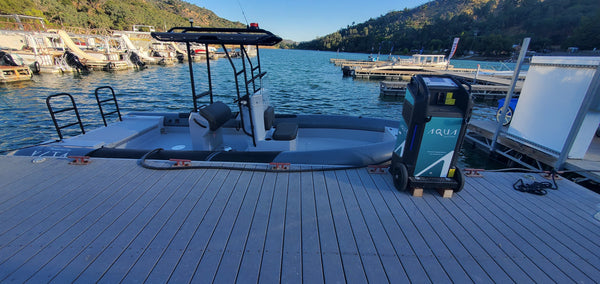
Electric boats require specialized charging infrastructure and maintenance protocols. Forward operating bases and naval facilities need to integrate power delivery systems able to recharge vessels efficiently without compromising operational tempo. Additionally, the military must address challenges surrounding battery safety, transport, and rapid replacement in austere environments.
The future of electric boats in US military maritime strategy
Integration with unmanned systems
The future battlefield envisions greater use of unmanned electric vessels (UxVs) that leverage electric propulsion for silent reconnaissance, target acquisition, and even direct engagement. The US Navy and other branches are investing in autonomous and remotely operated electric boats that can operate alongside manned units, extending surveillance reach and reducing risk to personnel.
Advancements in battery and propulsion technologies
Ongoing research into higher-density batteries, faster charging solutions, and more efficient electric motors will expand the operational capabilities of electric boats. Emerging technologies like solid-state batteries and hybrid powertrains will help overcome current limitations, allowing longer missions with reduced logistical footprints and enhanced stealth.
Strategic advantages of electric boats in military operations
Minimizing detection risk and enhancing mission success
Electric boats provide a distinct strategic advantage by allowing naval and special operations forces to conduct missions undetected. Sound and heat are often the primary methods used by adversaries to detect approaching vessels, so reducing these signatures directly impacts survivability and intelligence-gathering effectiveness.
Environmental and operational benefits
Electric propulsion reduces fuel consumption and dependence on fossil fuels, which is important for operational logistics and sustainability. Electric boats produce zero emissions during use, contributing to a lower environmental footprint and aiding compliance with increasingly stringent regulations in both domestic and international waters.
Summary: How the US military is using electric boats to transform maritime operations
How the US military is using electric boats highlights a significant shift toward quieter, more efficient, and tactically versatile vessels in maritime security and defense. With near-silent electric motors, reduced thermal signatures, and improved maneuverability, electric boats enable stealthy special operations, reconnaissance, and patrol missions. Though challenges like battery range and infrastructure remain, advancements in technology and integration with unmanned systems promise expanded capabilities. These innovations improve mission success, force protection, and operational sustainability. To learn more about emerging electric marine technologies and their impact on military operations, explore related resources and defense industry updates.