Marine Electrification: Lessons from the Electric Vehicle Industry
Charged Marine StaffWhat the Marine Industry Can Learn from the Rapid Rise of Electric Vehicles
The transition to electric boats is often compared to where the automotive industry was a decade ago. While boats and cars operate in very different environments, the challenges—and the opportunities—are remarkably similar.
Electric vehicles (EVs) have transformed from a niche technology into a mainstream transportation option through a combination of technological innovation, infrastructure investment, supportive policies, and growing consumer confidence. Today, marine electrification is following a similar path.
For boat manufacturers, marinas, ports, policymakers, and investors, understanding the lessons learned from the EV industry can help accelerate the adoption of electric boats while avoiding many of the obstacles faced during the early years of electric vehicles.

Lesson 1: Infrastructure Must Come First
One of the biggest barriers to EV adoption wasn't the vehicles—it was the charging network.
Consumers were hesitant to purchase electric cars until they had confidence that they could conveniently recharge them. Public charging stations, workplace charging, and home charging infrastructure all played critical roles in increasing adoption.
Marine electrification faces the same challenge.
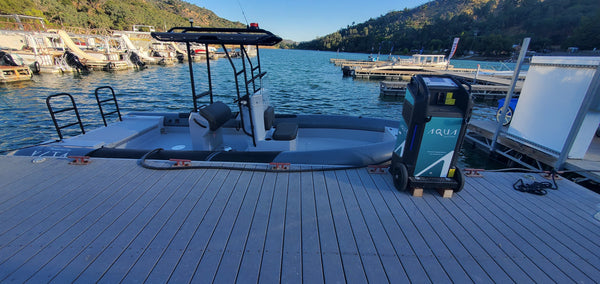
Boat owners need confidence that they can recharge at:
-
Marinas
-
Yacht clubs
-
Public docks
-
Waterfront destinations
-
Boat launches
-
Commercial terminals
Unlike automobiles, however, marine charging presents unique challenges. Electrical service at many marinas was designed decades ago and often lacks the capacity needed to support high-powered charging systems. Upgrading waterfront electrical infrastructure requires coordination among utilities, marina owners, local governments, and equipment providers.
The lesson is clear: charging infrastructure should be developed alongside the market—not after demand has already materialized.
Lesson 2: Early Adopters Become the Best Salespeople
Tesla didn't become successful solely because of advertising.
It succeeded because owners became enthusiastic advocates.
They shared their experiences online, gave friends rides, answered questions, and demonstrated that electric transportation could be practical and enjoyable.
Electric boat owners are already doing the same.
They invite friends aboard, answer questions at the dock, post videos on social media, and become ambassadors for the technology.
Unlike a traditional marketing campaign, owner enthusiasm is authentic and highly influential.
Programs like Electric Boat Captain are built around this principle—creating a community where electric boat owners proudly share their experiences and inspire others to discover electric boating.
The marine industry should recognize that every electric boat owner is also a potential educator and marketer.
Lesson 3: Experiences Sell Better Than Specifications
The automotive industry initially focused on technical specifications:
-
Battery size
-
Range
-
Charging speed
-
Horsepower
While important, those metrics rarely convinced consumers to make the switch.
What changed perceptions was the driving experience.
People discovered that electric vehicles offered:
-
Instant acceleration
-
Quiet operation
-
Smooth performance
-
Lower maintenance
-
Reduced operating costs
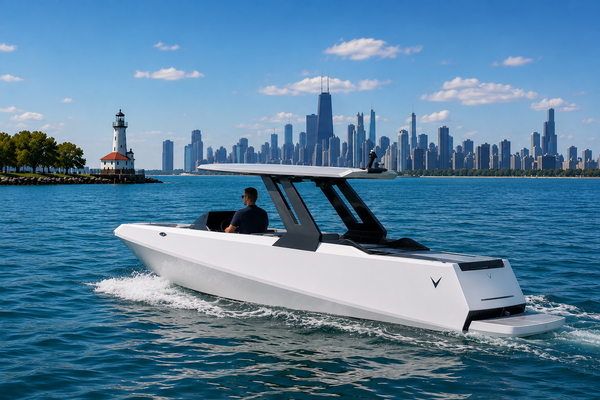
Electric boats create an even more dramatic first impression.
Passengers immediately notice:
-
The absence of engine noise
-
No fuel smell
-
Minimal vibration
-
Effortless acceleration
-
Better conversations onboard
-
A more peaceful experience on the water
Demo rides, rental programs, and public events often have a greater impact than brochures or technical presentations because they allow people to experience these benefits firsthand.
The industry should invest in creating opportunities for people to get on the water.
Lesson 4: Total Cost of Ownership Matters More Than Purchase Price
Electric vehicles initially carried higher purchase prices than comparable gasoline models.
However, buyers increasingly recognized that lower operating costs could offset the higher upfront investment through savings on fuel, maintenance, and repairs.
The same economic principle applies to electric boats.
Owners may spend more initially but often benefit from:
-
Lower energy costs
-
Fewer moving parts
-
Reduced maintenance
-
No oil changes
-
Less routine servicing
-
Longer equipment life
Commercial operators may see even greater savings due to higher annual operating hours.
Manufacturers and dealers should focus on lifecycle costs rather than purchase price alone.
Lesson 5: Government Incentives Accelerate Markets
Tax credits, rebates, grants, and charging incentives played a major role in accelerating EV adoption.
Marine electrification is beginning to benefit from similar programs.
Examples include:
-
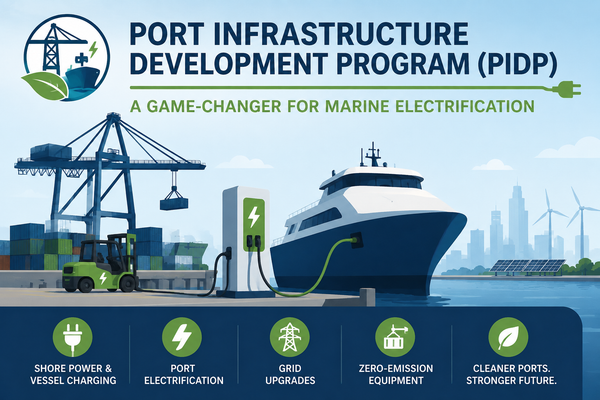
Port Infrastructure Development Program (PIDP)
-
California Energy Commission grants
-
CARB incentive programs
-
EPA clean transportation funding
-
Department of Energy demonstration programs
-
Utility make-ready programs
-
State energy office grants
These funding opportunities reduce financial risk and help organizations invest in infrastructure sooner than they otherwise could.
The EV industry demonstrated that incentives work best when they support both vehicles and charging infrastructure simultaneously.
Lesson 6: Standards Create Confidence
One of the automotive industry's biggest successes was standardization.
Consumers learned that charging equipment was compatible across many vehicle brands, making ownership easier and reducing uncertainty.
Marine electrification will benefit from similar consistency.
Industry collaboration around charging standards, connectors, safety requirements, communications protocols, and interoperability will simplify purchasing decisions and encourage investment.
Standardization also helps manufacturers scale production and reduces costs over time.
Lesson 7: Partnerships Drive Growth
No single company built the EV ecosystem.
Its success depended on collaboration among:
-
Vehicle manufacturers
-
Utilities
-
Charging providers
-
Governments
-
Technology companies
-
Real estate developers
-
Financial institutions
Marine electrification requires the same ecosystem approach.
Success depends on partnerships between:
-
Boat manufacturers
-
Marina owners
-
Ports
-
Utilities
-
Charging providers
-
Engineering firms
-
Fleet operators
-
Government agencies
-
Industry associations
-
Investors
Organizations that collaborate will move the market forward faster than those working independently.
Lesson 8: Education Reduces Resistance
Many early misconceptions about electric vehicles centered on range, battery life, charging times, and reliability.
As consumers became more informed, many of these concerns diminished.
Marine electrification faces similar questions.
Potential buyers often ask:
-
How far can an electric boat travel?
-
How long does charging take?
-
What happens if the battery runs low?
-
How long do batteries last?
-
Can boats operate in saltwater?
-
Are they powerful enough?
Providing clear, factual information through demonstrations, educational events, videos, and owner testimonials helps build trust and confidence.
Lesson 9: Market Adoption Happens Gradually—Then Quickly
The EV market did not grow overnight.
For years, adoption appeared slow. Then, as infrastructure expanded, battery technology improved, and consumer awareness increased, growth accelerated rapidly.
Marine electrification is following a similar trajectory.
Today's market is expanding through:
-
Recreational boats
-
Rental fleets
-
Water taxis
-
Ferries
-
Workboats
-
Government vessels
-
Marina infrastructure
-
Waterfront charging networks
As more people experience electric boating and more charging locations become available, adoption is likely to accelerate significantly.
Lesson 10: Build a Movement, Not Just a Market
Perhaps the most important lesson from the EV industry is that successful transitions are driven by people, not products.
Consumers embraced electric vehicles because they identified with innovation, sustainability, technology, and a new way of thinking about transportation.
The marine industry has an opportunity to create that same sense of identity.
Communities like Electric Boat Captain, collaborative organizations like ZEMA (Zero Emission Marine Accelerator), and industry platforms such as Sea Watts demonstrate that marine electrification is about more than replacing engines—it is about building an ecosystem where consumers, businesses, governments, and innovators work together to shape the future of boating.
Looking Ahead
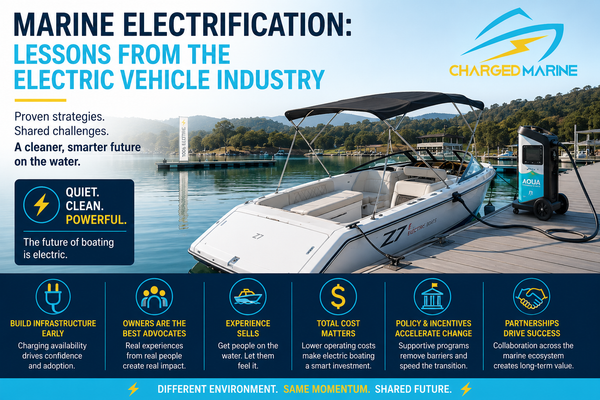
The electric vehicle revolution provides a valuable roadmap for the marine industry. While boats present unique technical and operational challenges, the underlying principles remain the same:
-
Build infrastructure before demand outpaces capacity.
-
Let owners become ambassadors.
-
Prioritize experiences over specifications.
-
Focus on total cost of ownership.
-
Leverage incentives strategically.
-
Establish common standards.
-
Foster partnerships across the ecosystem.
-
Invest in education.
-
Be patient—market momentum builds over time.
-
Create a community around the technology.
Marine electrification is still in its early stages, but the foundation is being laid today. The organizations that invest in infrastructure, collaboration, education, and customer experience now will be well positioned to lead the next chapter of the maritime industry.
How can we help you?
At Charged Marine, we help ports, marinas, manufacturers, fleet operators, and public agencies navigate the transition to marine electrification through strategic consulting, infrastructure planning, partnership development, grant support, and market intelligence.
Whether you're evaluating your first electric vessel, planning waterfront charging infrastructure, or developing a long-term electrification strategy, our team can help you accelerate your journey.
The future of boating won't simply be electric—it will be connected, collaborative, and powered by the lessons we've already learned on the road.